Flexible Living: How a Yurt Can Be Anything You Need It to Be
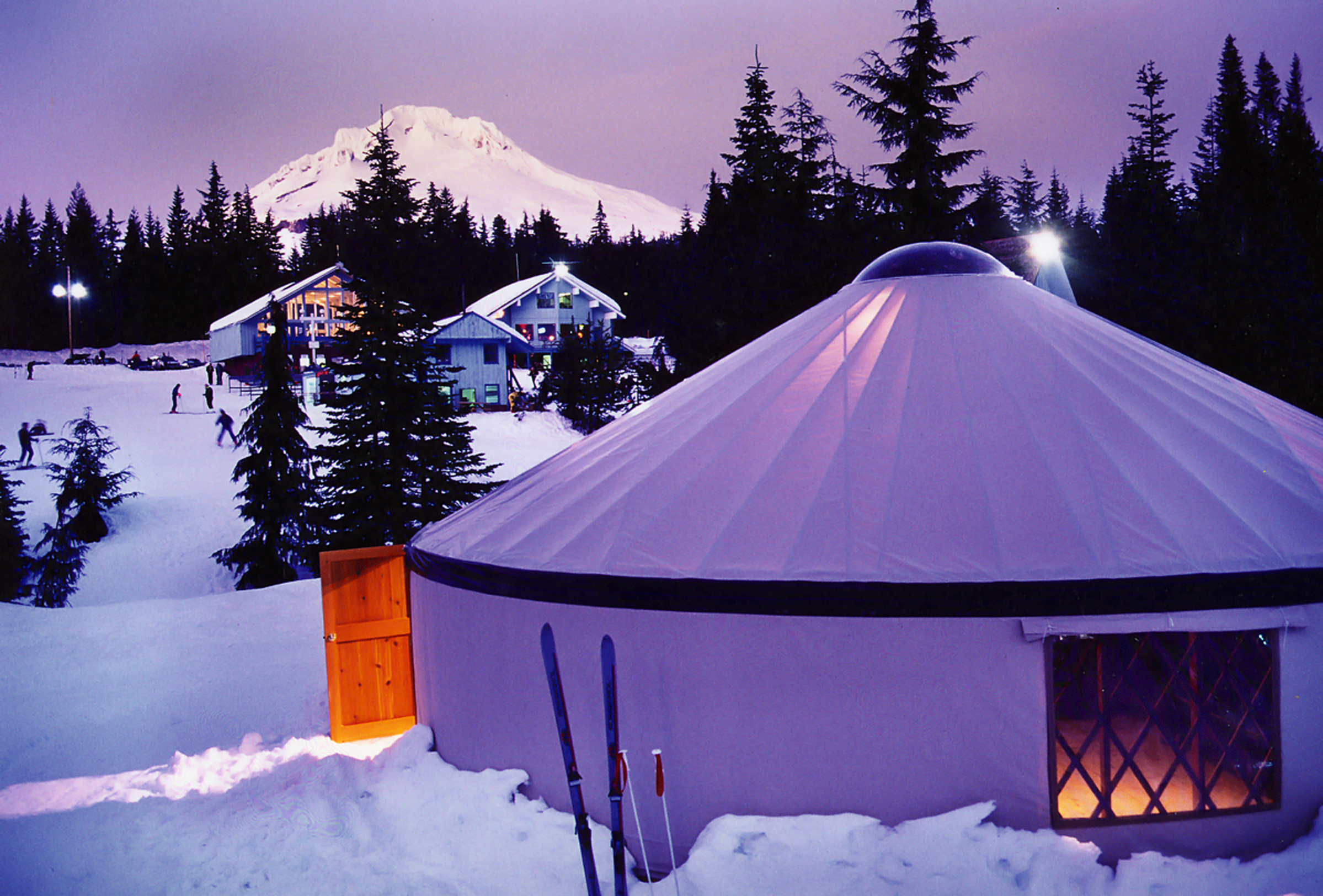
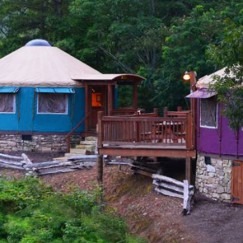
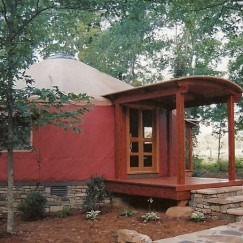
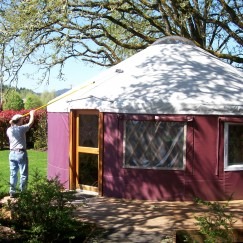
Yurts are strangely good at becoming exactly what you need. The same round structure can be a ski warm up stop at the base of a mountain, a quiet yoga or meditation retreat tucked into the trees, a park ranger station in a state park, or a high performing Airbnb that guests book months in advance. Instead of being tied to one purpose like a typical building, a yurt can be specialized for a single use and then reimagined later as your needs, projects, or business plans change.
Pacific Yurts are designed for versatility, quality, and ease of setup, so the circle becomes a kind of blank canvas you can keep reusing as your life changes.
One Structure, Many Possible Roles
Because the floor plan starts as one open round room, you are not locked into a single layout. You can divide the space, leave it fully open, or do a mix of the two, and you can change that over time.
The Pacific Yurts Quickstart Planning Guide breaks common sizes into practical “use ranges”: smaller 14–16 foot yurts for solo use and studios, 20–24 foot yurts for guest stays and family retreats, and a 30 foot yurt that can function as a full living space or event room.
That range is what lets the same product work as a starter home on rural land, a backyard office in town, or a flexible rental on a vacation property.
Homes, Guesthouses, and Retreat Spaces
For personal living, Pacific Yurts highlights vacation homes, temporary housing, and guest lodging as some of the most common uses. On a vacation property, a yurt can offer many of the same features as a small cabin, including kitchens, bathrooms, and bedrooms, but with a simpler installation and a lighter footprint on the land.
On new rural land, some owners live in a yurt while they get to know the site and build a house, then convert the yurt into a guest cottage or studio once the main home is done. In a backyard, a yurt can become a fully equipped guesthouse that feels separate and special, without the cost and complexity of adding on to the primary home.
Because the structure is round and light filled, these spaces tend to feel calm and inviting, which makes them easy to repurpose if your needs shift.
Studios, Offices, and Creative Rooms
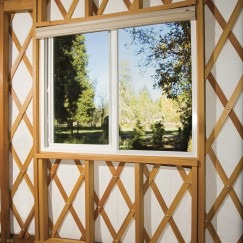
Yurts also work naturally as workspaces and creative rooms. The even light from the windows and dome, the high ceiling, and the lack of interior walls all support focused work.
In How to Design the Perfect Yurt for Your Needs, Pacific Yurts points to smaller diameters as ideal for backyard studios, yoga spaces, massage therapy rooms, and cozy libraries, with larger sizes supporting workshops, classrooms, and meeting spaces.
That means the same yurt can be your office now, a short-term rental a few years from now, and a family retreat later, simply by adjusting furnishings and layout.
Easy to Customize, Easy to Reconfigure
Flexibility also comes from the options system. You choose the diameter, number and style of doors, window types, insulation, and weather upgrades, then design the interior however you like. There is no fixed floor plan to fight against.
Guides like Choosing the Right Yurt Size for Your Home or Property and the Yurt Builder 3D tool help you match the structure to your actual use, from a compact 12 foot reading room to a 30 foot home with interior walls and a loft.
Inside, you can keep a single open room, add partial walls for a bedroom or office nook, or build out full kitchens and bathrooms with the help of a contractor. Over time, you can reconfigure those choices without replacing the shell.
Affordability and Sustainability for Flexible Lifestyles
Part of what makes yurts appealing to people exploring alternative or minimalist living is the combination of cost and impact. Pacific Yurts notes that small structures like yurts can be significantly more affordable than conventional homes, while also using far fewer building materials and less energy to heat and cool.
Their article on benefits of living in round spaces adds that round buildings typically use 15 to 20 percent less material per square foot than rectangular ones, and that Pacific Yurts are crafted from handpicked second-growth lumber with scrap recycled to reduce waste.
For many owners, that translates into lower monthly costs, a smaller footprint on the land, and a home or workspace that feels more intentional.
Flexible Living in Practice
In the end, a yurt is less about a single fixed purpose and more about options over time. It can start as a weekend getaway, become a primary home while you build, then shift into a guesthouse, studio, or rental as your life evolves.
Pacific Yurts has spent decades refining an all-weather, customizable shell that supports that kind of flexibility. What you do inside the circle is up to you. If you want a space that can change as your needs change, a yurt is one of the few building types that really can be anything you need it to be.