How to Use Yurts to Expand Campground Capacity and Revenue

Adding yurts to your campground is one of the simplest ways to increase capacity and grow revenue without turning your property into a row of cabins. With just a few well placed units, you can welcome guests who want more comfort than a tent, keep more sites bookable in the shoulder seasons, and strengthen your nightly rates.
Why Yurts Help Campgrounds Reach More Guests
Traditional campgrounds mainly serve tent campers and RV owners. Yurts add a third option that reaches people who want to be integrated in nature but also want real beds, heat, and solid walls.
For example, when Oregon State Parks added yurts to older campgrounds, they saw new visitors who had never camped before, along with returning regulars. Families, older guests, and people without camping gear all booked the yurts, which helped boost occupancy and stabilize the park system’s finances.
For private campgrounds, the same pattern can look like:
- Couples who want a cozy weekend with more comfort than a tent
- Remote workers looking for a quiet place to stay midweek
- Friends and families who want to share one space instead of multiple sites
Each of these groups fills nights that might otherwise stay empty.
Growing Capacity Without Losing the “Campground Feel”
Cabins can sometimes change the feel of a property. Yurts work differently. They add indoor beds and usable nights while still looking and feeling like part of the campground.
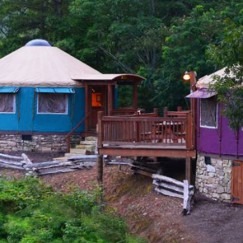
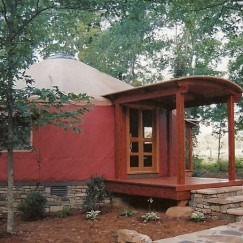
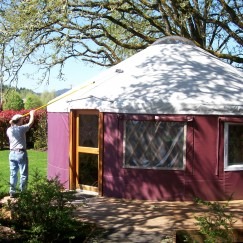
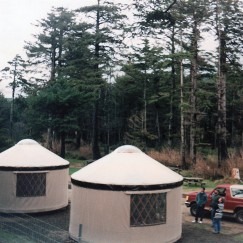
Yurts are designed as solid, weather tight structures that sit on simple platforms and use natural looking colors and materials. Similar to traditional campgrounds, guests still walk on trails, sit at picnic tables, and step out into trees or meadows in the morning. The experience feels like camping with better sleep and better shelter. Because yurts have a compact footprint, you can often tuck them into existing loops, convert a few tent pads, or use underutilized corners instead of redesigning your entire layout.
Durable, Engineered Structures that Are Easy to Install
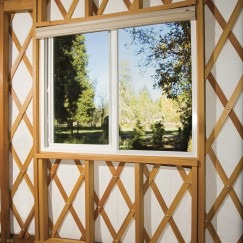
From an operations standpoint, yurts for campgrounds work because they are both durable and relatively straightforward to set up. Pacific Yurts uses an engineered Douglas fir frame with a lattice wall, tension cable, and rafter system designed to handle real wind and snow loads when matched to the site. Yurts have quite a longevity due to their structural system and fabric choices which are meant for long term use, not just one season. The outer covers are architectural fabrics, not basic canvas, and the longevity guide notes that standard covers typically last many years, with premium roof fabrics designed for even longer service life.
The yurt itself arrives as a kit. Once platforms and basic utilities are ready, many campground owners assemble new units in a matter of days with a small crew, rather than waiting through a full cabin construction schedule. That mix of durability and simple installation lets you add capacity without tying up time and budget all season.
How Yurts Increase Campground Revenue
Yurts tend to improve revenue in three clear ways:
Higher nightly rates than tent sites
Guests expect to pay more for a yurt than for a basic site because they get real beds, heat, power, and shelter from bad weather. The Oregon case study shows that yurts brought in significantly more revenue per site and were often booked months in advance.
Longer booking season
With insulation and heaters, yurts stay comfortable in shoulder seasons and, in many climates, year round. Pacific Yurts notes in their planning guide that many parks and resorts use yurts specifically to extend their season and keep guests coming after tent camping drops off.
Better performance on booking platforms
On sites like Hipcamp and Airbnb, yurts appear under “unique stays” and glamping categories, which improves visibility. In their article on Pacific Yurts and Hipcamp, the company reports that Hipcamp hosts with a Pacific Yurt earn around $10,000 in additional annual revenue on average, with some earning more than $20,000 in the first eight months, depending on location and setup.
For campgrounds, each yurt becomes a high performing unit that can carry more of its own cost than a typical site.
Where to Place Yurts in Your Campground
Placement is key for both guest satisfaction and operations. A simple way to think about it is in three categories.
Near core amenities
Putting a few yurts near restrooms, showers, and parking works well for families, first time campers, and guests with mobility concerns. These units are easy for staff to service and check.
View and “quiet zone” sites
If you have ridges, clearings, or tucked away corners, a yurt there can become your premium unit. Couples and solo travelers often book these sites first, especially if they have a deck or a strong view.
Small yurt clusters
Creating a “yurt village” with two to four units sharing a clearing or spur can serve extended families, retreats, or friend groups. Pacific Yurts points out that mixing sizes this way is a common approach for campgrounds and retreat centers in their Quickstart Planning Guide.
You can start with one pattern and add others later as you see what books best.

Integrating Yurts into Day-to-Day Operations
Yurts work best when they slide into the systems you already use.
Some practical steps:
- Train staff on basic maintenance, such as clearing debris from roofs and washing vinyl and polyester covers with mild soap and water, following guidance similar to that in the yurt longevity and care information.
- Align booking rules so yurts follow the same check-in, check-out, and minimum stay patterns as your other accommodations.
- Feature yurts clearly on your map and website, with photos of both interiors and exteriors so guests know exactly what they are booking.
A Phased Strategy for Expanding with Yurts
You do not need to add ten yurts at once to see results. A phased approach keeps risk low and data strong.
- Start with two to four yurts in locations you expect to perform well.
- Track occupancy, nightly rate, guest demographics, and reviews through at least one full season.
- Notice which yurts fill fastest and what guests mention most often.
- Use that information to decide whether to add more units, adjust pricing, or refine interior setups.
Resources like the Pacific Yurts Quickstart Planning Guide and Choosing the Right Yurt Size for Your Home or Property can help you plan each phase with realistic sizing and budget expectations.
Adding yurts to your campground is not only a way to put more heads in beds. Done thoughtfully, yurts for campgrounds are a way to welcome new types of guests, extend your season, and create highly bookable units that support your business for years.
If your tent and RV sites are already doing their job, yurts can be the next layer that turns solid capacity into strong, sustainable campground revenue.